August 6, 2026
Asphalt is a popular choice for driveways, roads, and parking lots due to its durability and aesthetic appeal. However, without proper maintenance, asphalt can degrade quickly, leading to costly repairs. This is where sealcoating comes into play. Sealcoating is a protective measure that extends the life of asphalt surfaces by protecting them from the elements. Investing in a professional sealcoating service is not just about appearance; it also offers long-term financial benefits by preventing extensive damage and maintaining the integrity of your pavement.
Sealcoating is a proactive strategy that many property owners overlook, often underestimating its importance. Despite misconceptions, sealcoating is not merely about maintaining a blacktop finish; it's a critical maintenance practice. Regularly applying sealcoat every two to four years, along with addressing cracks promptly, is vital for protecting and preserving an asphalt driveway's value, according to Today's Homeowner. Thus, as we delve deeper into the specifics of sealcoating, its role in halting asphalt decay becomes increasingly evident.
Fundamentals of Sealcoating
Definition of Sealcoating
Sealcoating refers to the process of applying a protective layer over the asphalt pavement to shield it from damage caused by UV rays, rain, and chemicals. This process is akin to adding a sunscreen layer to your skin to prevent sunburn. It creates a waterproof barrier that wards off water penetration and sun damage, which are the primary factors in asphalt degradation. By preventing these harmful effects, sealcoating prolongs the life of the pavement and contributes significantly to maintaining its visual appeal. It is an efficient way to keep maintenance costs down while ensuring a robust pavement.
Selection of Application Materials
Different materials can be utilized in the sealcoating process, each with its unique benefits. The most common sealcoats are coal tar and asphalt emulsion sealers. Coal tar sealers are known for their durability and resistance to oil and gasoline stains, while asphalt emulsion sealers are more environmentally friendly and offer superior UV protection. Both types are mixed with water, sand, and special polymers to enhance their protective capabilities and to make them more resistant to wear and tear. Choosing the appropriate material involves considering specific requirements and environmental impacts.
Execution of the Application Process
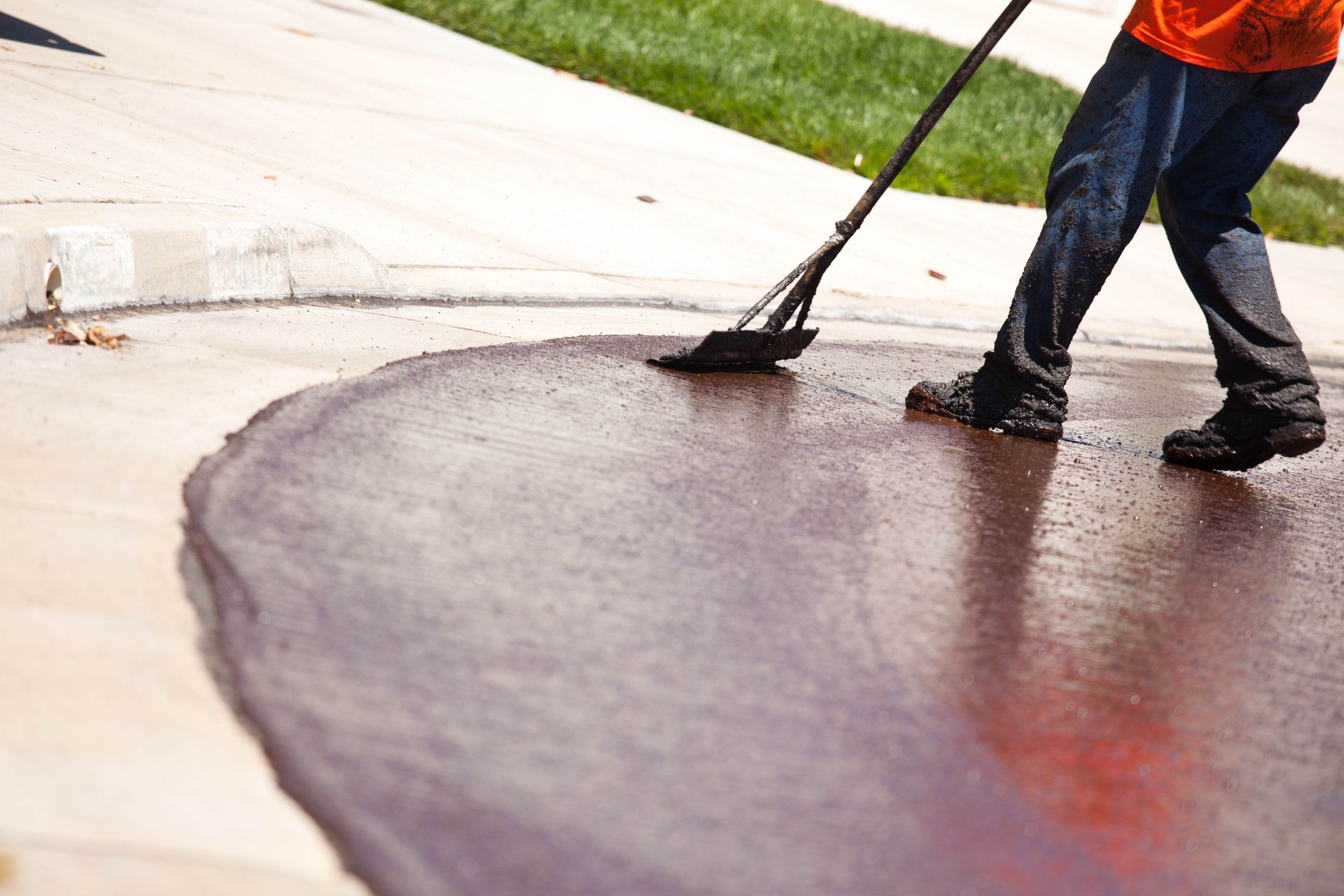
Sealcoating is typically a straightforward, albeit meticulous, process that begins with thorough cleaning of the asphalt surface. Removing debris, vegetation, and previous sealcoat layers is crucial for the new coat to adhere effectively. Once cleaned, the sealer is applied using squeegees or spray equipment, ensuring even coverage and avoiding puddles. The pavement must then be allowed to cure, which involves keeping the area free from traffic for at least 24 to 48 hours. This duration ensures that the sealer sets properly and imparts the desired level of protection and surface finish.
Primary Causes of Asphalt Decay
Impact of Adverse Weather Conditions
Weather conditions play a significant role in the degradation of asphalt surfaces. Prolonged exposure to sunlight leads to oxidation, causing the asphalt to become brittle and more prone to cracking. Rainwater exacerbates this effect as it seeps into the cracks, freezing during colder months and expanding to cause further damage. This freeze-thaw cycle is a primary cause of potholes and can rapidly deteriorate the pavement if not addressed. Sealcoating acts as a waterproof barrier, effectively mitigating these impacts and extending the surface lifespan.
Deterioration from Chemical Spills and Stains
Chemical spills, such as oil, gasoline, and other automotive fluids, are another significant factor in asphalt decay. These chemicals penetrate the asphalt surface, weakening its structure and causing it to deteriorate over time. They can also leave unsightly stains that mar the visual appeal of the pavement. Sealcoating provides a protective shield against these chemicals, preventing them from penetrating the asphalt and minimizing stain formation. This protective layer ensures that the surface remains functional and attractive despite potential chemical exposure.
Stress from Heavy Traffic and Load Weight
Asphalt is designed to bear the weight of vehicles, but constant heavy traffic can accelerate deterioration. The repeated stress from heavy loads can cause rutting and deformation, leading to cracks and, eventually, potholes. This is especially true for parking lots and roadways that see frequent use by large vehicles. Regular sealcoating strengthens the asphalt surface, reducing its susceptibility to load stress and extending its life. It distributes the weight more evenly across the pavement, minimizing the impact of single-point stresses.
Advantages of Professional Sealcoating Services
Enhancement of Durability and Longevity
Engaging a professional sealcoating service ensures that the application is done correctly, maximizing the benefits of the treatment. Professionals have the expertise to select the appropriate materials and techniques, which are crucial for achieving the best results. A properly applied sealcoat significantly increases the durability and longevity of the asphalt surface. By protecting against natural elements and chemical spills, it can add years to the lifespan of a driveway or parking lot. This proactive measure reduces the frequency of expensive repairs and resurfacing jobs, making it a sound investment.
Improvement of Aesthetic Appeal
In addition to structural protection, sealcoating greatly enhances the visual appeal of an asphalt surface. It restores the deep black finish that is characteristic of new asphalt, significantly improving curb appeal. This aesthetic boost is particularly beneficial for businesses, as well-maintained parking lots create a positive first impression on customers. The smooth, clean surface also highlights line striping, making it easier to navigate and park. Maintaining this appearance through regular sealcoating contributes to a professional image and increased property value.
Realization of Long-Term Cost-Effectiveness
The financial benefits of sealcoating are substantial, particularly when considering the potential costs associated with extensive asphalt repair. While the initial expense of a sealcoating service may deter some, it is an investment that pays dividends over time. By extending the life of the asphalt, property owners can avoid frequent and costly repairs. Additionally, the enhanced protection against environmental damage minimizes the risk of severe deterioration, translating to fewer maintenance interventions. Regular sealcoating is a cost-effective solution that preserves both the integrity and appearance of the surface.
Selection of Qualified Sealcoating Contractors
Evaluation of Industry Reputation and Experience
When selecting a sealcoating service, reputation and experience are critical factors to consider. A company's track record in delivering quality services can offer insight into its reliability and performance. Reviewing past projects and client testimonials provides a sense of their expertise and the consistency of their work. An experienced service provider will not only apply the sealcoat correctly but will also provide valuable advice on maintenance practices. Partnering with a reputable company ensures peace of mind and confidence in the quality of the job being done.
Analysis of Provider Pricing Structures
Pricing is often a primary concern when choosing a sealcoating service, and it is essential to understand the cost structure. Obtaining multiple quotes allows you to compare pricing models and ensure competitive pricing. Remember that the lowest price may not always equate to the best value, as quality can vary significantly between providers. Clarify what is included in the quoted price, such as surface preparation, crack filling, and additional materials. A comprehensive understanding of the pricing model helps you make informed decisions and avoid unexpected costs.
Investing in a regular sealcoating service is the single most effective strategy for protecting asphalt surfaces from weather oxidation, vehicle fluids, and structural wear. By establishing a waterproof barrier and restoring essential flexibility to pavement, professional maintenance prevents minor surface cracks from developing into costly potholes and major structural failures. Ultimately, partnering with an experienced service provider preserves your property's curb appeal, minimizes ongoing repair expenses, and maximizes the operational lifespan of your driveway or parking lot.
Protect your pavement and boost your curb appeal today by contacting Indy Curb Appeal Asphalt Maintenance to schedule your sealcoating service!